The Value Is Hard to Explain
Your product is technically impressive, but buyers do not yet see a clear business case, urgency, or reason to choose it now.
Fractional Product & Technology Leadership
For founders, CEOs, and R&D leaders in health-tech, automotive, deep-tech, and regulated SaaS: get senior fractional leadership across the four places where complex products usually get stuck — what to build, how to architect it, where AI can create leverage, and how to prove it hands-on.
Past experience
When to call
Health-tech, automotive, and deep-tech teams often have the most impressive technology and the hardest time explaining it. The bottleneck is turning that potential into a crisp product direction, a credible buyer story, and fast execution without losing compliance or domain precision.
Your product is technically impressive, but buyers do not yet see a clear business case, urgency, or reason to choose it now.
The team is shipping, but priorities are not clearly connected to customer outcomes, revenue, adoption, or strategic focus.
You need senior product or technology judgment now — especially in regulated domains like healthcare or automotive — but a full-time CPO, CTO, or R&D manager is not the right move yet.
The bridge
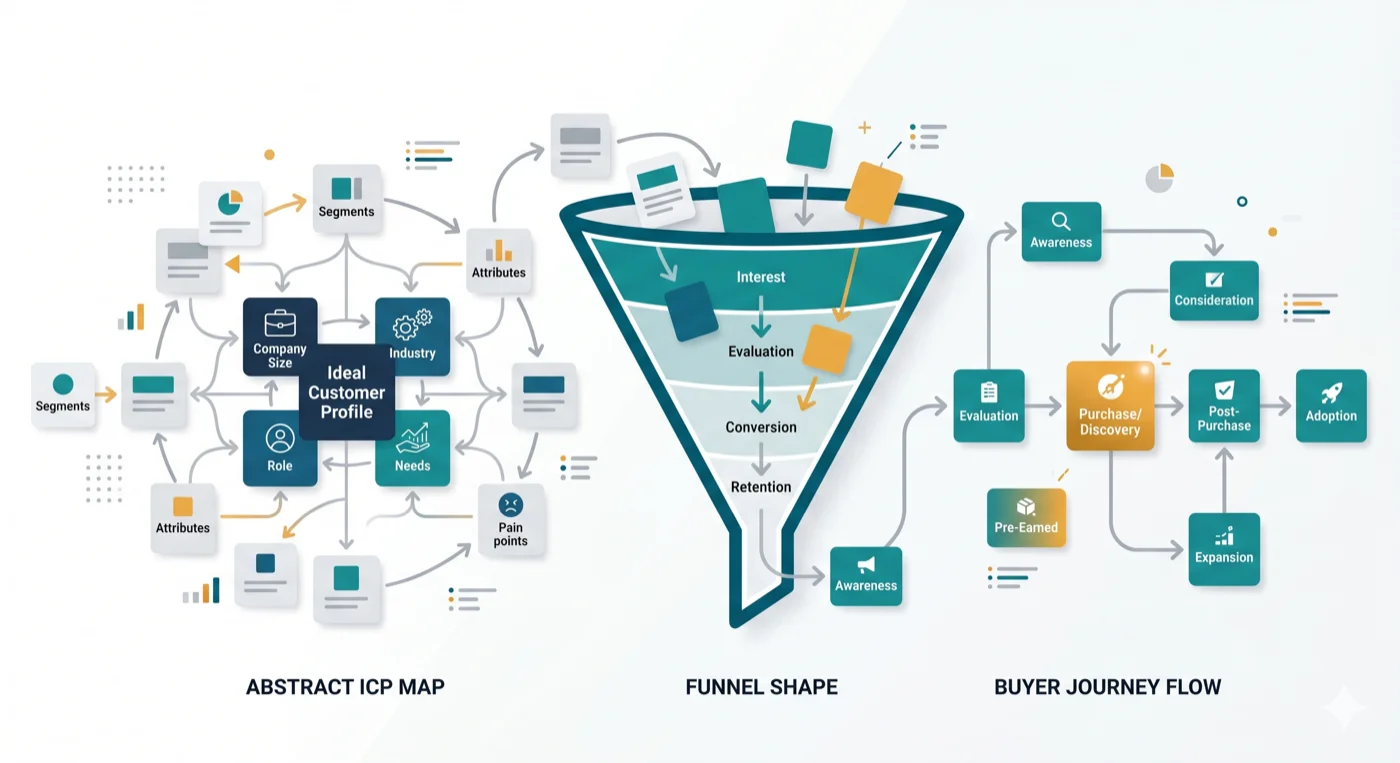
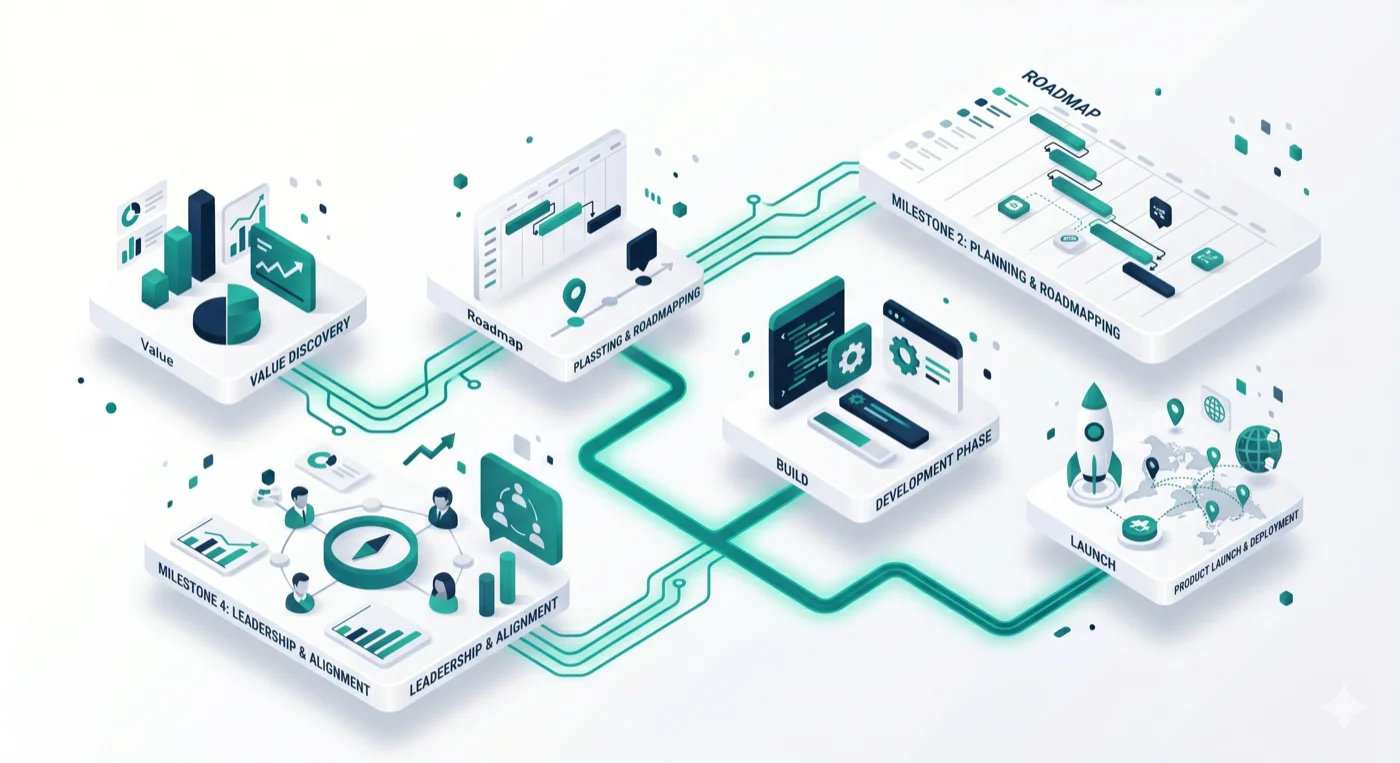
The work moves through three connected questions: who needs this, what should we build first, and how can we prove it quickly.
Identify the ICP, the buying trigger, and the value customers can repeat — even in health-tech, automotive, and other complex regulated markets.
Translate strategic goals into a focused roadmap, scoped decisions, and artifacts the team can execute.
Build the prototype, integration, or architecture proof that makes the next investment decision easier — including safety-critical and regulated-domain validation.
Services
Strategy without delivery leaves teams waiting. Delivery without product clarity burns cycles. You get the connective tissue between what to build, why it matters, and how to move quickly.
Turn complex technical capability into a customer-facing value story, focused roadmap, and product direction your leadership and R&D teams can execute.
Shape the architecture behind the product: systems, APIs, SDKs, data pipelines, cloud infrastructure, integrations, and the trade-offs that make complex products reliable.
Identify where AI can create real leverage, then implement the workflows, agents, RAG systems, and automations that remove operational friction.
Build the smallest credible version of the product, integration, or AI capability so stakeholders and customers can react to something real.
How I work
01
Define the customer, business goal, technical constraints, and decision that must become clearer.
02
Turn user pain, ICP, and product capability into a clear value proposition and focused scope.
03
Prototype the smallest credible version that can validate the product, workflow, integration, or AI capability.
04
Convert the learning into a roadmap, delivery plan, leadership cadence, or scaled implementation.
Outputs
Every engagement should leave you with something useful: sharper decisions, clearer artifacts, working software, or a better operating rhythm.
Fit
The strongest engagements combine a real business decision with a technical path that needs senior judgment.
Domain & technology expertise
Engagement models
A predefined bank of hours for focused advisory, product reviews, architecture sessions, prioritization, or specific strategic bottlenecks.
A scoped engagement for discovery, value proposition work, prototype delivery, technical implementation, or AI integration.
Ongoing part-time CPO, CTO, technology, product, or R&D leadership for companies that need senior judgment without a full-time executive hire.
About
Senior product and technology leader with a B.Sc. in Computer Engineering (Technion) and 20+ years spanning ADAS and autonomous driving at Mobileye (Intel), vital-signs AI SDK at Binah.ai, enterprise B2B2C platforms at Cisco, and embedded systems at Intel.
Current focus: AI-native product strategy, LLM and RAG system integration, agentic workflow architecture, and rapid zero-to-one prototyping using Claude Code, Cursor, and Kiro. Deep regulatory experience in FDA 510(k), ISO 13485, HIPAA, and ISO 26262.
I lead engagements directly — as product strategist, technical architect, and hands-on builder — and bring in trusted experts when the project needs AI/ML training, UI/UX design, or DevOps.
Fluent in engineering and business, with one goal: make sure the product your team builds creates value customers can recognize.
Contact
Tell me what you are trying to build, validate, or clarify. I’ll help identify the right next step and the engagement model that fits your situation.
Book a 30-min Call